Wondering if Franklinton could give you more space, a calmer pace, and a better fit for your budget? If you are weighing cost, commute, lifestyle, and long-term potential, you are not alone. Franklinton stands out because it feels like a town in progress, with a small-town setting today and visible planning for what comes next. Let’s dive in.
What Franklinton Feels Like Today
Franklinton is not trying to be a fully built-out suburb, and that is part of the appeal. Town planning materials point to a place that still feels rooted in a rural downtown setting, while also working on future growth, mobility, and walkability.
That creates a very specific kind of lifestyle. You may find that Franklinton offers a quieter day-to-day experience than some closer-in Triangle communities, while still showing signs of change through downtown activity and long-range planning.
The town has also described downtown as a place with a resurgent Main Street, new businesses, and a focus on preserving small-town character. If you like the idea of buying in a market that still feels like it is evolving, Franklinton may be worth a closer look.
Why Buyers Look at Franklinton
For many buyers, the first draw is value. Redfin reported a median sale price of $310,000 in Franklinton in March 2026, compared with $454,000 in Wake Forest and $437,840 in Rolesville during the same general period.
That price gap matters if you are trying to balance monthly payment, square footage, lot size, or future flexibility. Franklinton can be appealing if you want to stretch your budget further without leaving the broader North Raleigh and Wake Forest orbit.
Homes there also took about 96 days to sell and averaged 1 offer in that same reporting period. In practical terms, that may mean a less rushed environment than you might expect in some nearby markets.
Housing Options in Franklinton
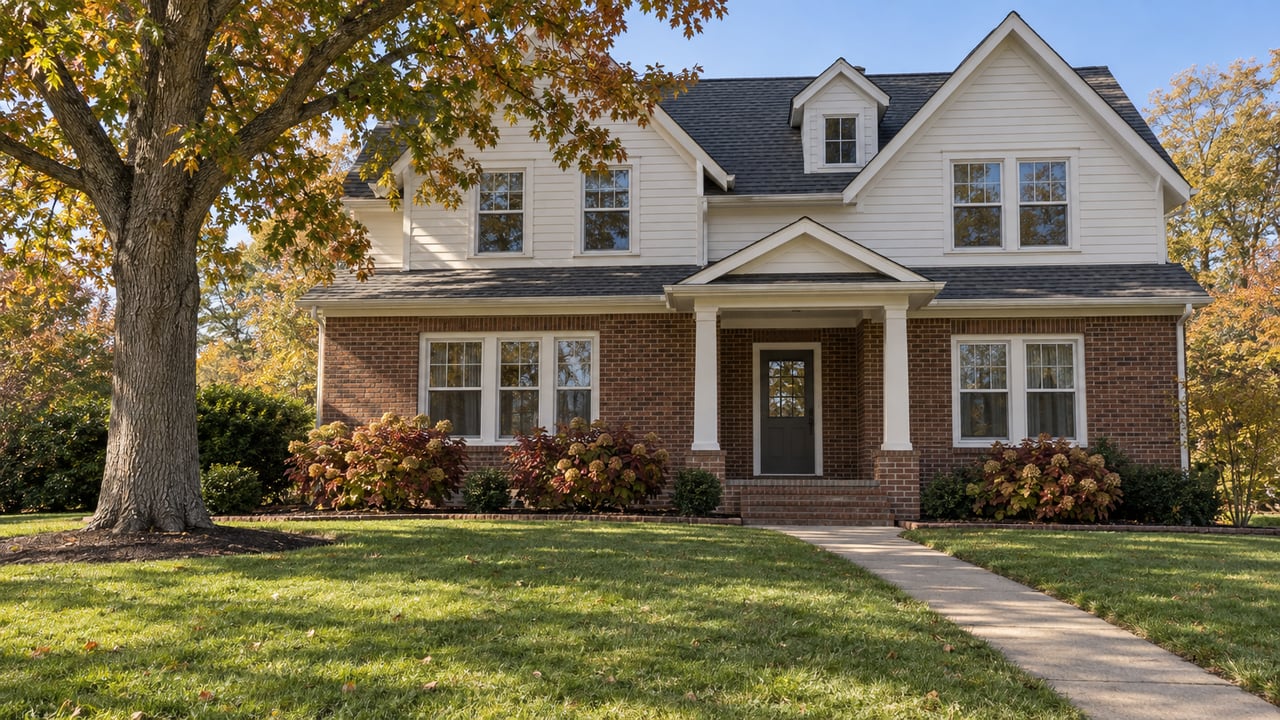
Franklinton’s housing story still leans heavily toward single-family homes. Town planning documents and land-use materials show a lower-density pattern, with single-family and manufactured-home uses making up notable parts of the planning area.
That can be a good fit if you want a more traditional residential layout with more breathing room. You may find that Franklinton feels less compact and less built up than towns that have already gone through a more complete suburban growth cycle.
At the same time, the town’s long-range vision is broader than just detached homes. Its transit-oriented development planning discusses future townhomes, multifamily housing, affordable housing, and senior housing near the downtown and mobility-hub area.
That does not mean those options define the market today. It does suggest, though, that Franklinton may continue to expand its housing mix over time, which can matter if you are thinking about long-term flexibility and resale appeal.
Commute and Driving Reality
This is one of the biggest lifestyle questions to answer honestly. Franklinton is still a car-oriented town.
DataUSA reports an average commute time of 33.4 minutes, with 71.3% of workers driving alone, 19.9% working at home, and an average of 2 cars per household. That points to a community that may work best for buyers who are comfortable driving regularly or who have hybrid or remote work flexibility.
If you want established transit options today, Franklinton may feel limiting. The town’s transportation planning and the NCDOT S-Line study both point more toward future improvements than current rail convenience.
That future planning can still be a positive. It just helps to see it for what it is right now: potential upside, not a present-day replacement for driving.
Downtown and Daily Amenities
One of the nicest surprises about Franklinton is that it is not just a pass-through town. Planning materials describe Main Street as already having restaurants and retail, which helps support a real downtown feel rather than a purely residential pattern.
The town’s Things to Do information also highlights a useful mix of local spots and activities. That includes the Franklinton Market, library, senior center, Veterans Memorial Park, community garden, downtown walking loop, run club, outdoor movie nights, flower fields, and youth sports.
For recreation, Franklin County lists Franklinton Park as a core local park with a playground, ball fields, a basketball court, a loop trail, picnic shelters, an open play field, and a running track. So while Franklinton may not offer the same amenity density as larger suburbs, it does have an active local base.
That is an important distinction. You are not choosing between “everything” and “nothing.” You are choosing a smaller amenity set with a more local, grounded feel.
Who Franklinton Fits Best
Franklinton tends to make the most sense for buyers who want more house for the money, a slower pace, and a town that still has room to grow into its next chapter. That can include first-time buyers, move-up buyers watching their budget carefully, and relocation buyers who do not need to be in the middle of a more built-up suburb.
It can also be a strong option if you like the idea of buying in a place before every piece of future growth has already arrived. Some buyers prefer a market that already feels finished. Others like seeing signs of thoughtful planning and future investment.
If you work from home part of the week, or if your schedule gives you more flexibility, Franklinton may feel easier to enjoy. The trade-off between a longer drive and a lower purchase price can look very different when you are not commuting every day.
When Franklinton May Not Be the Right Fit
Franklinton is not automatically the best match for every buyer. If your top priorities are a short commute, denser shopping and dining, or transit access that exists today, you may feel the trade-offs more strongly.
You may also want to think carefully if you prefer highly established suburban infrastructure from day one. Franklinton’s appeal is tied in part to its in-between status, which means some of its biggest strengths are connected to future growth rather than current build-out.
That does not make it a compromise in a negative sense. It just means the fit depends on what matters most in your everyday life.
Questions to Ask Before You Move
Before you decide whether Franklinton is right for you, it helps to get specific about your real priorities. A few questions can make the decision much clearer:
- How often will you need to commute by car each week?
- Do you want the lowest possible price point among nearby options?
- Are you looking for a quieter town feel rather than a busier suburban setting?
- Would you be happy with a smaller local amenity base if it meant more space or a lower payment?
- Are you comfortable buying in a market that is still growing and changing?
These answers matter more than a town’s reputation or buzz. The right move is the one that supports your daily routine, financial comfort, and long-term goals.
The Bottom Line on Franklinton
Franklinton offers something many buyers are actively looking for: small-town value with room for future upside. You may get a lower price point, a more relaxed pace, and a town that still feels connected to its local identity.
At the same time, you should go in with clear eyes. The commute is still largely car-based, the amenity mix is more modest than in larger suburbs, and some of the biggest transportation improvements are still part of a long-term vision.
If that balance sounds right for your life, Franklinton could be a smart place to focus your search. And if you want help comparing Franklinton with Wake Forest, Rolesville, or Youngsville based on your budget and routine, Stephanie Santiago can help you sort through the options with clear, calm guidance.
FAQs
Is Franklinton, NC more affordable than nearby towns?
- Based on Redfin’s March 2026 figures, Franklinton had a median sale price of $310,000, which was lower than Wake Forest at $454,000 and Rolesville at $437,840.
Is Franklinton, NC a good fit for commuters?
- Franklinton can work well if you are comfortable with a car-based routine, but DataUSA reports an average commute time of 33.4 minutes and most workers drive alone.
Are there things to do in Franklinton, NC?
- Yes. Town and county information highlights downtown restaurants and retail, the Franklinton Market, library, community events, walking areas, youth sports, and Franklinton Park.
What kind of homes are common in Franklinton, NC?
- Franklinton currently leans toward lower-density residential development, with many single-family housing patterns and some manufactured-home presence in the planning area.
Is Franklinton, NC growing?
- Yes. Town planning materials show active work on land use, transportation, walkability, and future development around the downtown and mobility-hub area.