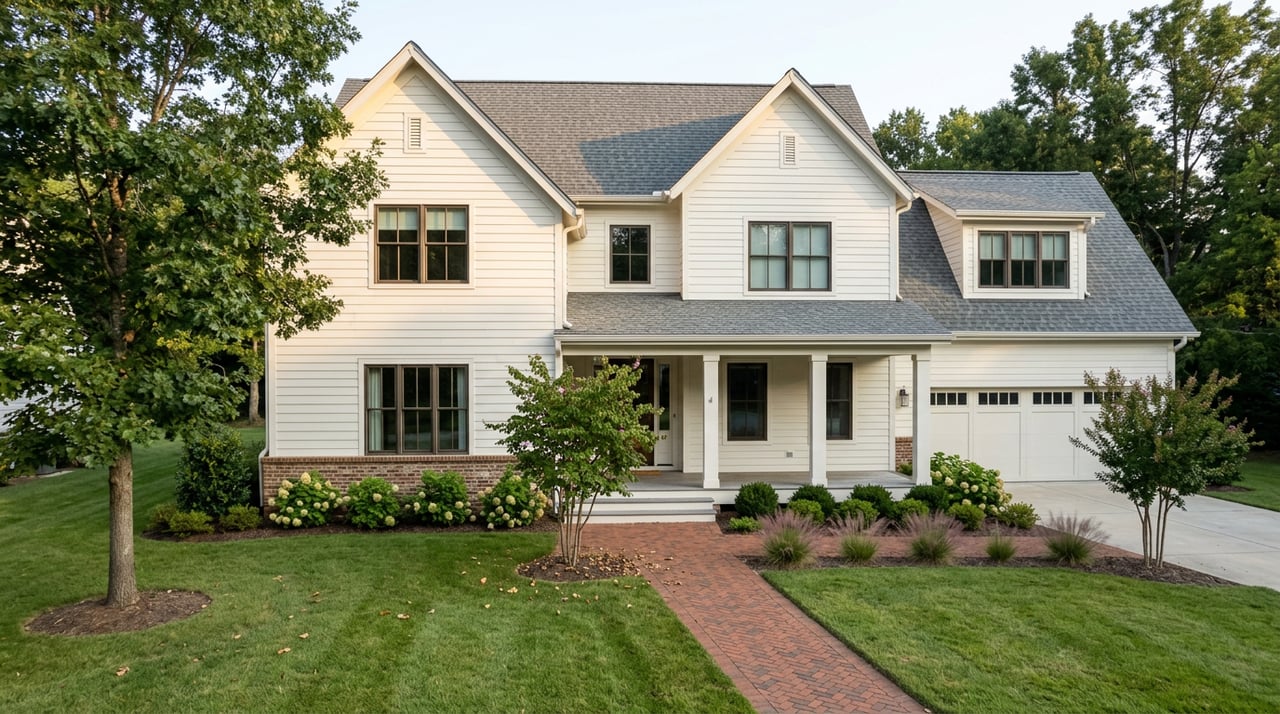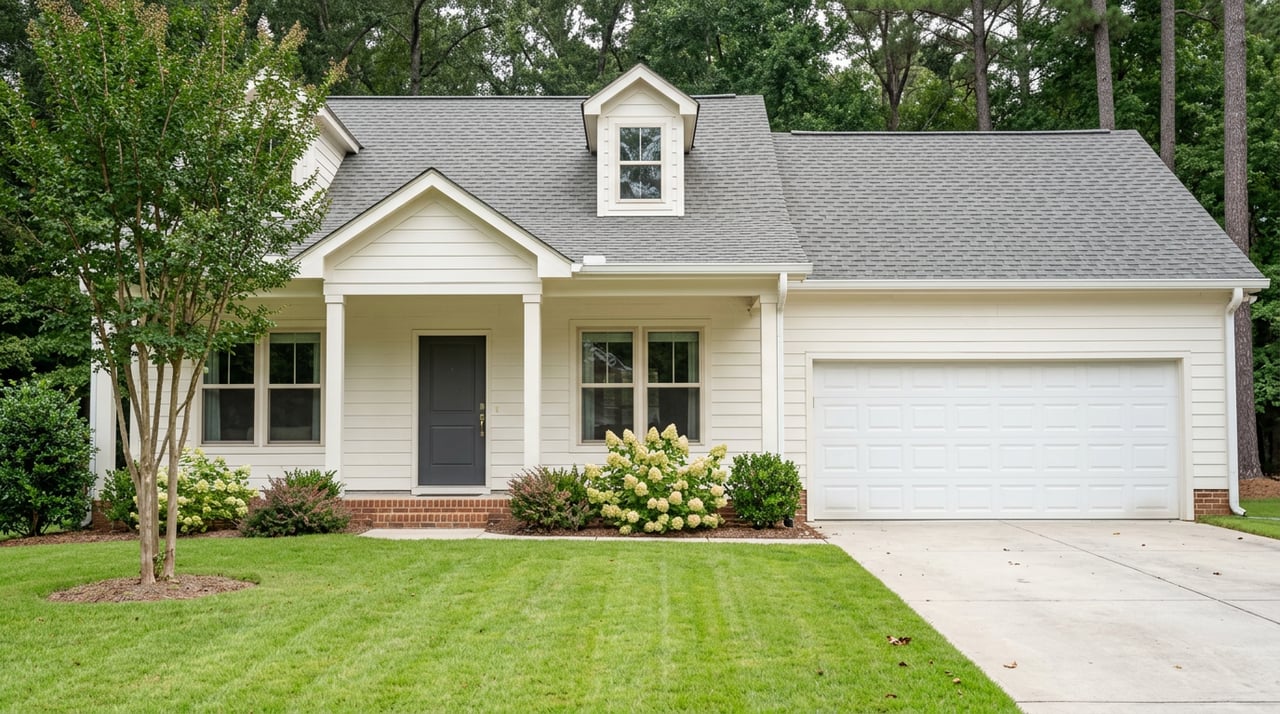
Everyone who writes an offer in Wendell Falls asks the same question: what's the HOA fee? Almost nobody asks the question that actually matters, which is how long the document proving that fee stays valid once someone orders it.
That gap is where closings in this community quietly slip. Not because the assessment is high. Not because anyone did anything wrong. Because the paperwork that certifies a seller's HOA account, the North Carolina resale certificate, runs on a clock that's shorter than most people assume, and Wendell Falls has more moving parts than most communities asking that clock to hold.
Three Numbers, Not One
Start with the fee itself, because it isn't a single figure. According to Wendell Falls' own FAQ page, the assessment runs $100 a month for single-family homes, $210 a month for townhomes, and $300 a month for Encore, the community's 55-plus section. The community association's assessments page adds one more wrinkle: "Alley products" carry an extra $5 a month on top of whatever base rate applies.
| Product Type | Monthly Assessment |
|---|---|
| Single-family home | $100 |
| Townhome | $210 |
| Encore (55+) | $300 |
| Alley product | Base rate + $5 |
That's not a rounding difference. A townhome buyer and a single-family buyer sitting across the same closing table are paying more than double one another in monthly dues, and the number on a listing sheet rarely explains why. The honest answer is that Wendell Falls layers a master assessment with product-specific charges on top, which is exactly the kind of structure that trips up buyers who assume "HOA fee" means one line item instead of a stack of them.
Two Managers, Two Mailboxes
The fee tiers aren't the only place Wendell Falls splits into layers. CCMC manages the master association and the commercial association that includes the retail at Treelight Square, according to the community's welcome page. CCMC also handles compliance for Encore, but a separate company runs Encore's own amenities and private events, with its own community manager and its own point of contact.
Practically, that means a resale in Encore can involve two different offices producing two different sets of paperwork on two different timelines. A buyer or seller who assumes one phone call gets them everything they need is usually wrong, and the disclosure documents themselves confirm the split. The community's document library routes resale disclosures, estoppels, demand statements, and lender questionnaires through a system called Homewise Docs, separate from whatever Encore's amenity manager handles directly.
What North Carolina Actually Requires
None of this is optional paperwork. Under North Carolina's Planned Community Act, when a lot inside a covered community sells, the association has to deliver a resale certificate to the buyer covering the current assessment, any outstanding balance, pending special assessments, capital improvement fees, insurance coverage, and a copy of the governing documents. The association has 10 business days from request to deliver it.
That's the floor. It guarantees the document exists and shows up within a defined window. It says nothing about how long that document stays good once it arrives, and that's the part sellers, buyers, and even some agents skip past.
The Part That Expires
North Carolina resale certificates generally run on a 30-day validity standard once issued, shorter than states like Arizona, which allow up to 90 days before a certificate goes stale. Lenders add another layer on top of that. Conventional loans sold to Fannie Mae or Freddie Mac typically require HOA documents dated within 120 days of the note date, but individual lenders routinely tighten that window to 90 or even 30 days, especially on files they consider higher risk.
Stack those two clocks together and the math gets tight fast. A seller orders the resale certificate the week an offer gets accepted. Thirty days later, if the closing hasn't happened yet, that document is no longer valid, and someone has to request it again, pay whatever fee applies again, and wait through another turnaround before the file can move forward.
Where This Actually Bites in Wendell Falls
Wendell Falls is still finishing its final phases of new construction, with the developer's own site noting that limited home sites remain available. That matters here because resale closings in a community like this rarely happen in isolation. They're competing for the same closing attorneys, the same appraisers, and the same title work as an active pipeline of new-build closings, any of which can push a settlement date by two or three weeks without anyone doing anything wrong.
A short delay is normal in real estate. In most communities it's a minor inconvenience. In Wendell Falls, a delay that crosses the 30-day mark means the resale certificate ordered at contract acceptance is no longer good at the settlement table, and if the home sits in Encore, there may be a second certificate from a second manager facing the exact same expiration risk at the exact same time. That's two chances for the paperwork to lapse instead of one, on a home where the closing already has more coordination points than a typical single-association neighborhood.
Before You Set a Closing Date
A few steps make this manageable rather than stressful, and they cost nothing but a little lead time.
- Confirm the product type first. Single-family, townhome, Encore, and Alley homes each carry a different base assessment, so verify which tier applies before treating any number on a listing sheet as final.
- Ask who issues the certificate for that specific section. Master-association requests route through CCMC and Homewise Docs, but Encore may involve a second manager entirely.
- Order the certificate as late as the contract reasonably allows, not as early as possible. The instinct to get paperwork done early works against you here. The goal is timing the request so the 30-day window covers the actual closing date, not the date the offer was signed.
- Build a buffer into the closing timeline for anything with financing, appraisal, or inspection contingencies. Those are the delays most likely to push a closing past the certificate's shelf life.
- Ask the lender directly what document-age window they're enforcing. Some loan files tolerate the full 120-day Fannie Mae or Freddie Mac standard. Others tighten it to 30 days, and it's better to know which one applies before the certificate is already in hand.
A Short FAQ
Does every home in Wendell Falls pay the same HOA fee? No. The assessment depends on product type, running from $100 a month for single-family homes up to $300 a month for Encore, with townhomes in between and a small surcharge for Alley products.
What happens if the resale certificate expires before closing? The association or its manager typically has to reissue it, which usually means another document fee and another wait for turnaround. Buyers, sellers, and their closing attorneys should confirm current requirements and any applicable fees directly with the association before assuming the original document still applies.
None of this makes Wendell Falls a difficult place to buy or sell. It makes it a community where the paperwork deserves the same attention as the price, and where the timing of a single request can matter as much as the number written on it.
If you're preparing to close on a home in Wendell Falls, whether it's a resale in the master community or a purchase inside Encore, Stephanie Santiago can help you map out the closing timeline before the resale certificate clock starts running. Schedule a free consultation to walk through what applies to your specific address.