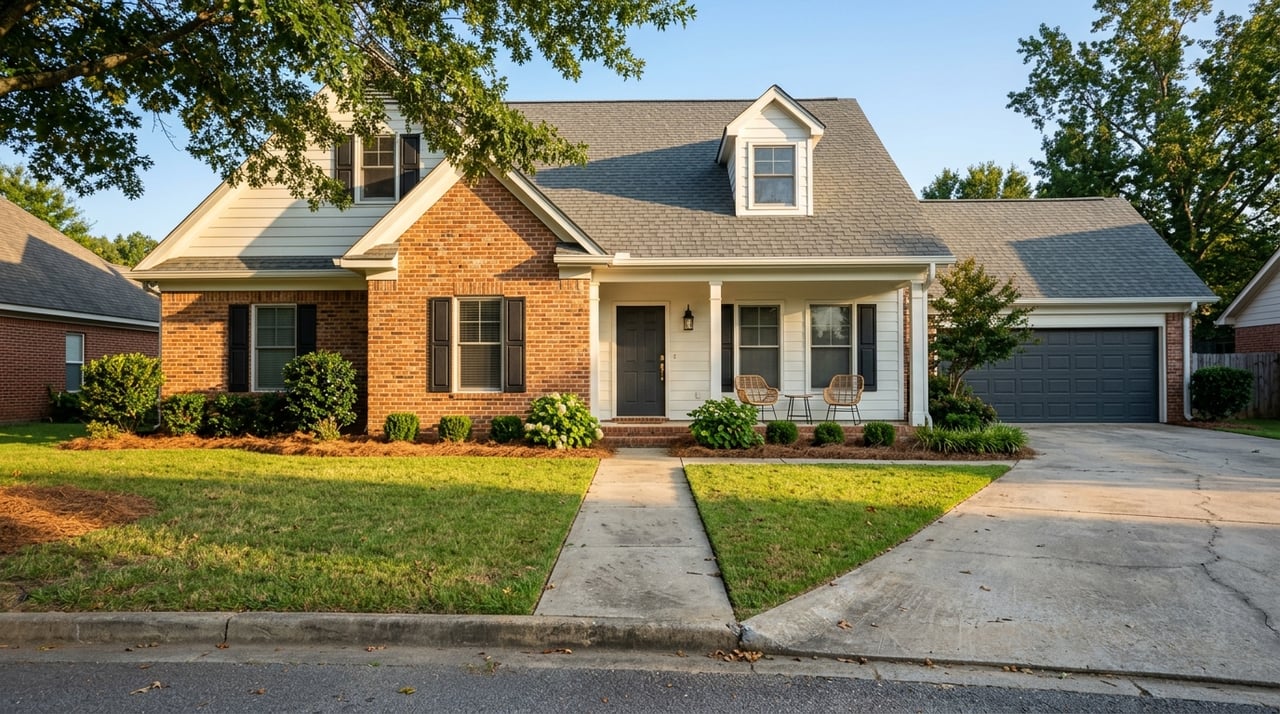
If you are torn between Wake Forest and North Raleigh, you are not alone. Both areas give you access to the greater Raleigh market, but they can feel very different once you picture your daily routine, commute, and housing options. This guide will help you compare space, price points, lifestyle, and convenience so you can make your next move with more clarity and less stress. Let’s dive in.
Wake Forest vs North Raleigh at a Glance
At a high level, Wake Forest and North Raleigh often appeal to different priorities. Wake Forest tends to offer a more suburban, expanding-town feel, while North Raleigh usually feels more connected to the city’s larger commuter and amenity network.
Wake Forest is also growing faster. The town’s 2025 population estimate is 58,147, and it grew 21.1 percent from 2020 to 2025. Raleigh’s 2025 population estimate is 506,306, with 8.2 percent growth over the same period, which helps explain why North Raleigh feels more established within a much larger city setting.
Housing Style and Space
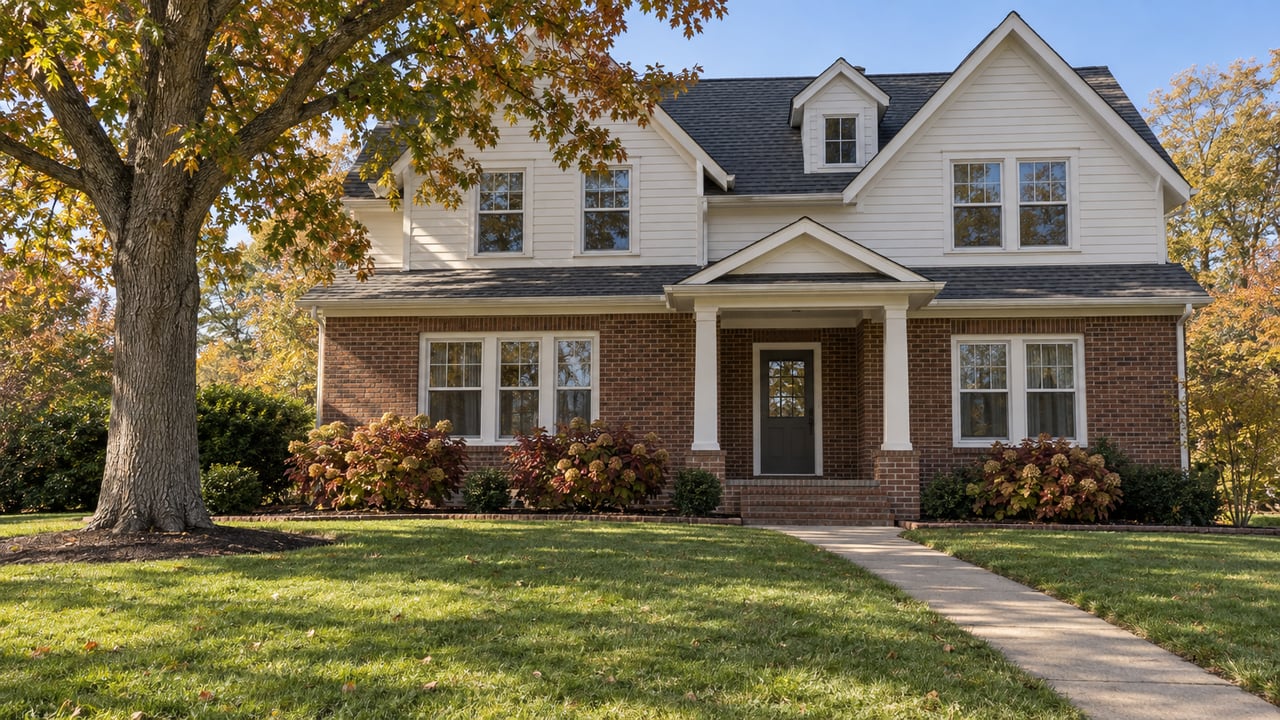
Wake Forest homes tend to feel roomier
If you picture a larger yard, more distance between homes, and a classic suburban layout, Wake Forest may feel like a better fit. The town’s planning documents support a diverse housing mix, but many suburban lots still average about 10,000 to 15,000 square feet or more.
That extra lot size helps Wake Forest feel less dense in many areas. You will still find attached homes, duplexes, and townhome communities, but the overall impression is often more yard-forward and spread out.
North Raleigh offers more housing variety
North Raleigh usually gives you a broader mix of home types in a tighter city setting. Raleigh’s planning and zoning rules support missing-middle housing such as duplexes, triplexes, townhouses, and small apartments.
That means your search may include detached homes, townhomes, condos, and multifamily-adjacent options in closer proximity to shopping, dining, and major roads. If flexibility matters more than lot size, North Raleigh often gives you more choices in one area.
Comparing Home Prices
Wake Forest pricing snapshot
Current market snapshots place Wake Forest in the high-$400,000s to mid-$500,000s. Recent data shows a median sale price around $490,000, while another snapshot shows a median list price around $550,000, with homes selling close to asking on average.
The exact number can vary depending on the data source and time frame. Still, the broader takeaway is that Wake Forest remains competitive and often attracts buyers looking for more space within a suburban setting.
North Raleigh pricing snapshot
North Raleigh also sits in the high-$400,000s, but the pricing structure looks a little different. Recent data shows a median sale price of about $495,000 and a median list price near $477,000, with homes selling about 1.18 percent below asking on average.
Because North Raleigh includes a wider spread of housing types, the price range can feel more layered. You may see a smaller home or attached property in a highly convenient location, or a larger detached home in a more established part of the area.
Commute and Daily Access
Wake Forest usually means a longer average commute
For many buyers, commute time becomes the deciding factor. Census data shows a mean travel time to work of 30.9 minutes for Wake Forest residents, compared with 23.0 minutes for Raleigh city residents.
If you work downtown, in Midtown, or near the I-440 corridor, North Raleigh often offers a shorter average drive. Wake Forest can still work well, but your tolerance for extra travel time matters.
North Raleigh can be a practical middle ground
North Raleigh is often appealing if you want city access without living in the urban core. North Hills sits about three miles north of downtown Raleigh and about ten miles east of Research Triangle Park, which helps place north-side Raleigh in a useful in-between position.
That location can make daily routines feel simpler, especially if your week includes commuting, errands, dining out, or regular appointments across Raleigh. For relocation buyers, that convenience can reduce a lot of moving stress right away.
Transit and road patterns differ
Wake Forest has Go Wake Forest, an on-demand microtransit service, plus the Wake Forest-Raleigh Express, which links Downtown Wake Forest, Triangle Town Center, and Downtown Raleigh. Raleigh has city transit options that include GoRaleigh, the downtown R-Line, and commuter express routes.
Road access also shapes the experience. Wake Forest is strongly tied to US-1 and Capital Boulevard, while North Raleigh relies heavily on corridors like Capital Boulevard North and Six Forks Road, where peak-hour congestion is common, especially around North Hills.
Lifestyle and Everyday Feel
Wake Forest has a smaller-town rhythm
Wake Forest often appeals to buyers who want a slower pace and a defined local identity. The town describes Downtown Wake Forest as a quaint, walkable, historic district with art galleries, specialty shops, coffee companies, boutiques, dining, nightlife, and events.
The town also manages 561 acres of parks, open space, natural land, and trails, including more than 50 miles of developed and undeveloped greenway trails. If you want room to spread out and a recognizable downtown core, Wake Forest may feel more aligned with your lifestyle.
North Raleigh is more amenity-dense
North Raleigh tends to feel more mixed-use and convenience-driven. Areas like North Hills serve as major anchors, with a large concentration of shops, restaurants, entertainment, hotels, and year-round events.
Raleigh also has more than 200 parks, and north-side areas like North Hills and Lake Lynn are key parts of the district. If you like the idea of combining errands, dining, and recreation into one part of town, North Raleigh may feel easier on a daily basis.
Which Area Fits Your Next Chapter?
Wake Forest may fit you best if you want
- More yard space and a less dense setting
- A suburban feel with an active growth story
- A smaller downtown environment with local shops and events
- A move-up or long-term home where room to spread out matters
North Raleigh may fit you best if you want
- Shorter average access to Raleigh job centers and amenities
- More housing types, including attached options
- A mixed-use environment with shopping and dining close by
- A practical balance between city convenience and neighborhood living
Questions to Ask Yourself Before You Choose
Before you decide, try to picture a normal Tuesday instead of only the home itself. The right move usually comes down to how you want your life to feel once the boxes are unpacked.
Ask yourself:
- Do you want a larger yard, or would you rather be closer to Raleigh amenities?
- Are you focused on detached homes, or are you open to townhomes or condos?
- How important is commute time if you work in downtown Raleigh, Midtown, or near RTP?
- Would you rather spend weekends in a small downtown setting or a larger mixed-use district?
- Are you buying for a long-term stay, a relocation move, or a step-up purchase where convenience may matter more than lot size?
Final Thoughts on Wake Forest vs North Raleigh
There is no one-size-fits-all winner in this comparison. Wake Forest usually stands out for space, suburban separation, and a smaller-town feel, while North Raleigh often stands out for convenience, mixed-use energy, and housing variety.
If you are relocating, moving up, or trying to narrow down where your next home should be, a side-by-side strategy can make the decision much easier. The best fit is the one that supports your budget, your routine, and the way you want to live day to day.
If you want calm, local guidance as you compare neighborhoods, commute patterns, and home options, reach out to Stephanie Santiago to schedule a free consultation.
FAQs
What is the main difference between Wake Forest and North Raleigh for homebuyers?
- Wake Forest generally offers more space and a more suburban town feel, while North Raleigh usually offers closer-in convenience, mixed-use areas, and a wider range of housing types.
Is Wake Forest or North Raleigh more expensive?
- Recent market snapshots place both in the high-$400,000s overall, but Wake Forest shows a higher list-price snapshot while North Raleigh tends to have a broader mix of price points because of its housing variety.
Is commuting from Wake Forest harder than commuting from North Raleigh?
- On average, Wake Forest residents have a longer commute, with a mean travel time of 30.9 minutes compared with 23.0 minutes for Raleigh city residents.
Does North Raleigh have more townhomes and condos than Wake Forest?
- North Raleigh generally offers more attached and missing-middle housing options, while Wake Forest often feels more oriented toward detached homes with larger lots.
Is Wake Forest a good fit if you want parks and a walkable downtown?
- Wake Forest offers both, with a historic downtown district and 561 acres of parks, open space, natural land, and trails, including more than 50 miles of greenway trails.
What kind of buyer usually prefers North Raleigh?
- North Raleigh often appeals to buyers who want easier access to Raleigh amenities, more mixed-use convenience, and flexibility across detached and attached housing options.